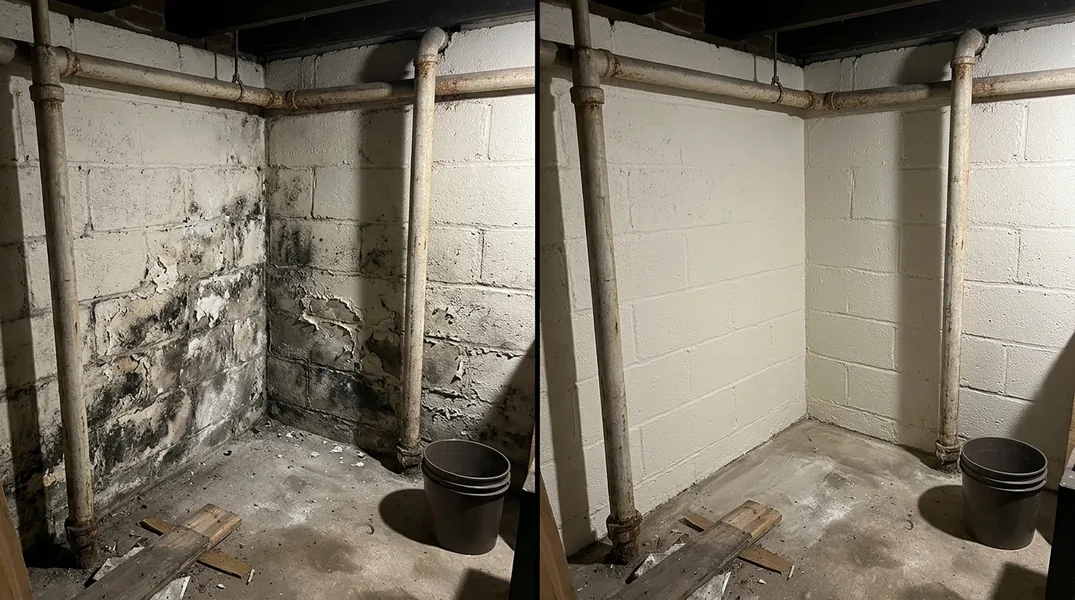
Interior vs. Exterior Basement Waterproofing: Understanding Your Options
If you own a home in Frederick, you already know how unpredictable the weather can be. Heavy spring rains, summer thunderstorms, and even winter snowmelt can put tremendous pressure on your foundation. When water finds its way into your basement, you are faced with a decision that confuses many homeowners: should you waterproof from the inside or the outside? Both approaches have merit, and understanding the difference is the first step toward protecting your home and your investment.
The core distinction comes down to where the water is stopped. Interior systems manage water after it has entered the basement wall or floor, collecting it and directing it away from your living space. Exterior systems intercept water before it ever reaches the foundation, creating a barrier on the outside of the wall. Neither method is universally better. The right choice depends on your home's construction, the severity of your water problem, your budget, and how long you plan to stay. At Frederick Waterproofing, we evaluate each home individually because a cookie-cutter recommendation often leads to wasted money and recurring problems.
How Interior Drain Tile Systems Work
An Interior Drain Tile System is installed along the inside perimeter of your basement footing. The process involves breaking up a narrow strip of concrete floor, digging a trench, and laying perforated pipe that collects water seeping through the walls or rising from the soil below. This water is then channeled to a sump pit and pumped safely away from the house. The system is typically covered with new concrete, and the walls may be sealed or fitted with plastic vapor barriers to direct moisture downward.
This approach is popular in Frederick for several reasons. It is generally less expensive than excavating the exterior, it can be completed in a few days, and it does not disturb your landscaping, deck, or driveway. It also works well for finished basements because the work is contained indoors. However, interior systems do not stop water from entering the wall itself. They manage it after the fact, which means the concrete or block may still stay damp. For many homeowners, that is an acceptable trade-off, especially when the goal is keeping the basement dry and usable rather than perfectly sealing the structure.
Exterior Basement Waterproofing: The Outside Barrier
Exterior Basement Waterproofing attacks the problem at its source. The process requires excavating soil down to the footing, repairing any cracks or damage to the foundation wall, applying a waterproof membrane or coating, and installing drainage board and gravel to direct water away. A French drain or footing drain may also be added at the base. The goal is to prevent water from ever touching the foundation in the first place.
This method is often considered the gold standard because it addresses both water and the hydrostatic pressure that causes cracks and bowing. If your foundation is showing structural warning signs, exterior work may be necessary. The downside is cost and disruption. Excavation is labor-intensive, and it can damage landscaping, fences, and hardscaping. In dense neighborhoods around Walkersville and Middletown, tight lots can make heavy equipment access difficult. For these reasons, exterior waterproofing is often reserved for severe problems or for homes under construction or major renovation.
Drain Tile vs. Exterior Membrane: Which Is Right for Your Home?
When homeowners ask us to compare drain tile vs exterior membrane solutions, we start with a few key questions. Is the basement finished or unfinished? Is water coming through the floor, the walls, or both? Are there visible cracks, efflorescence, or signs of structural movement? How long do you plan to own the home? An unfinished basement with minor seepage often responds beautifully to an interior drain tile system. A finished basement with recurring dampness may also benefit from interior work, provided the walls are not failing. But a home with bowing walls, widespread cracking, or water that appears high on the walls may need exterior attention.
It is also worth noting that the two approaches are not mutually exclusive. Some homes benefit from a combination: exterior sealing on a problem wall and interior drainage to handle groundwater. A thorough inspection should include checking gutters, grading, and downspouts, because poor drainage is often the root cause of basement water in Maryland. Before committing to any major project, ask for a clear explanation of why a particular method is recommended and what it will and will not solve. If a contractor cannot explain the reasoning, keep looking.
Basement Waterproofing Cost in Frederick: What to Budget
Cost is the question every homeowner asks, and it is a fair one. Interior drain tile systems are typically the more affordable option, with most projects falling into a mid-range investment depending on the length of the perimeter and whether a sump pump and vapor barrier are included. Exterior waterproofing costs more because of excavation, disposal, and materials, and the final figure depends heavily on access and the condition of the foundation. Minor crack injection or spot repairs are the least expensive entry point but only make sense for isolated issues.
We encourage homeowners to think in terms of value rather than sticker price. A properly installed system that keeps your basement dry for decades is far cheaper than repeated patch jobs, ruined finishes, and mold remediation. For a clearer picture of what to expect, review our pricing page or call us at (240) 549-6262. We provide transparent free estimates so you can compare options without pressure. Every home in Thurmont and across the region is different, and a written scope of work is the best way to make an informed decision.
Basement Waterproofing Near Me: When to Call a Pro
Some water problems are obvious: standing water after a storm, a musty smell that will not go away, or visible cracks with dampness around them. Others are subtler. White powder on the walls, peeling paint, rust on metal fixtures, or a sudden increase in indoor humidity can all point to moisture moving through the foundation. If you notice any of these signs, it is worth having a professional take a look before the problem grows. Small issues caught early are almost always cheaper to fix.
Choosing a local contractor matters. A company that works in Frederick every day understands the local soil conditions, the age of the housing stock, and the drainage patterns that cause trouble here. At Frederick Waterproofing, we specialize in Basement Waterproofing and Foundation Waterproofing for homeowners throughout the area. Whether you need a simple interior system or a more comprehensive exterior solution, we will walk you through the options and help you choose what actually fits your home and budget. Call (240) 549-6262 or visit our website to schedule your free estimate and take the first step toward a dry, healthy basement.
Looking for a professional basement waterproofing contractor in Frederick? Frederick Waterproofing responds fast for all your basement waterproofing needs.
Get a Free QuoteOur services: Basement Waterproofing · Interior Drain Tile System · Exterior Basement Waterproofing