The Geological Recipe for a Wet Basement
If you live in Frederick, you have likely noticed the distinctive red soil in your garden or on local construction sites. That heavy clay is the first ingredient in a problem that affects thousands of homeowners in our region. Unlike sandy soils that drain quickly, clay acts like a sponge that swells when wet and shrinks when dry. When it rains, the clay absorbs water and expands, pushing against your foundation walls with tremendous force. Once it is saturated, it stops absorbing and simply holds water against your home like a wet blanket.
But the story does not end with clay. Beneath that layer of soil sits the limestone bedrock that defines much of Frederick County. Limestone is porous and soluble, meaning water moves through it in ways that are hard to predict. This combination of an impermeable clay cap on top of a fractured limestone base creates a unique set of challenges for Basement Waterproofing in our area. Understanding this geology is the first step toward keeping your basement dry, because standard solutions designed for other parts of the country often fail here.
Why Frederick Basement Leaks Are Different
Most homeowners assume a basement leak is simply a matter of a crack in the wall or a failed sump pump. While those are common issues, the limestone clay soil creates a more complex scenario. When water percolates through the clay and hits the limestone, it can travel laterally along the rock surface. This means water from a neighbor's yard or a nearby storm drain can end up pressurized against your foundation, even if your own gutters are clean. This phenomenon is why two houses on the same street can have completely different water issues.
Furthermore, the interaction between clay and limestone can lead to a phenomenon known as a sinkhole basement water issue. As water dissolves the limestone over time, voids can form underground. When the clay above collapses into these voids, it creates depressions that redirect surface water toward your foundation. This is not meant to alarm you, but it is a real factor in Maryland basement water management. If you notice unexplained puddles near your foundation or doors that suddenly stick, it is worth having a professional evaluate the soil stability and drainage around your home.
Common Causes of Basement Leaks in Frederick
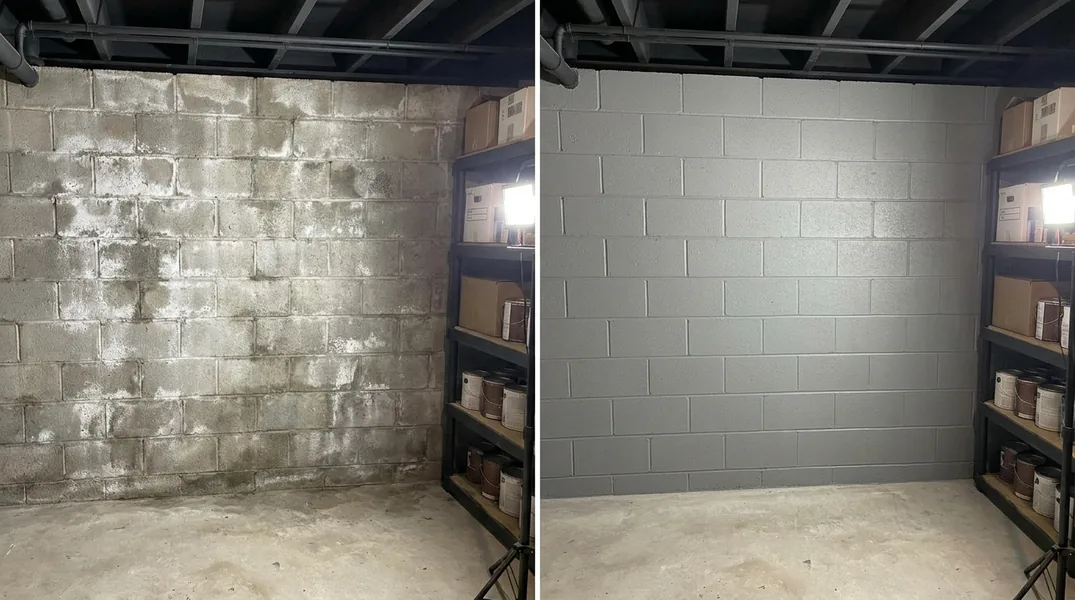
The most frequent cause of water in Frederick basements is hydrostatic pressure. This is the technical term for water pressure in the soil. When the clay soil is saturated, water seeks the path of least resistance, which is often the joint where your floor meets your wall or the porous concrete block itself. Many older homes in Walkersville and Thurmont were built with block foundations that act like straws, wicking water up from the footer and releasing it into the basement. This can lead to efflorescence (the white powder on walls) and eventually mold.
Another major culprit is poor exterior drainage. The clay soil often prevents water from soaking in, so it runs along the surface. If your gutters discharge too close to the foundation, or if the grading around your home has settled over the years, that surface water will pool against the house. Over time, this can overwhelm even a well-built foundation. This is why a comprehensive approach to Foundation Waterproofing must address both the water in the soil and the water on the roof.
Solutions for Limestone Clay Soil
Because the soil holds water so tightly, exterior solutions alone can sometimes be insufficient. However, they are still a critical line of defense. Exterior Basement Waterproofing involves excavating around the foundation to apply a waterproof membrane and install a drainage system that directs water away from the house. This relieves the hydrostatic pressure before it ever reaches your walls. In many cases, this is the most permanent fix for homes dealing with heavy clay, especially if the foundation is showing signs of structural stress.
For many homeowners, an interior solution is more practical and equally effective. An Interior Drain Tile System is installed along the inside perimeter of the basement footer. It captures water that seeps through the walls or floor and channels it to a sump pump, which discharges it safely away from the home. This system is highly effective in Frederick because it manages the water that inevitably finds its way through the limestone and clay. It also protects the finished space without the disruption of excavating your landscaping. A professional can help you determine which approach, or combination of approaches, is right for your specific situation.
Basement Waterproofing Near Me: When to Call a Pro
If you are searching for "Basement Waterproofing Near Me" in the Frederick area, you are likely already dealing with a wet basement or have noticed the warning signs. It is time to call a professional if you see water stains on the walls, musty odors, or actual standing water. Another sign is rust on the bottom of your water heater or furnace, which is often caused by high humidity from a damp basement. Do not wait for a small leak to become a flooded finished basement. The clay and limestone soil in our area will not fix itself, and the problem typically worsens over time.
At Frederick Waterproofing, we understand the local geology. We know that a solution for a home in Middletown might not work in downtown Frederick because of the varying depth of the limestone. We offer a free estimate to inspect your home and explain your options. You can also call us directly at (240) 549-6262 to speak with a local expert. We will help you understand the causes of your leak and provide transparent pricing so you can make an informed decision. Protect your home from the unique challenges of red clay and limestone.
Looking for a professional basement waterproofing contractor in Frederick? Frederick Waterproofing responds fast for all your basement waterproofing needs.
Get a Free QuoteOur services: Basement Waterproofing · Interior Drain Tile System · Exterior Basement Waterproofing